

Why Choose Us
One-stop service
We promise to provide you with the fastest reply, the best price, the best quality, and the most complete after-sales service.
Quality Assurance
We have a rigorous quality assurance process in place to ensure that all our services meet the highest standards of quality. Our team of quality analysts checks each project thoroughly before it is delivered to the client.
State-of-the-art Technology
We use the latest technology and tools to deliver high quality services. Our team is well-versed in the latest trends and advancements in technology and uses them to provide the best results.
Competitive Pricing
We offer competitive pricing for our services without compromising on quality. Our prices are transparent, and we do not believe in hidden charges or fees.
Customer Satisfaction
We are committed to delivering high quality services that exceed our clients' expectations. We strive to ensure that our clients are satisfied with our services and work closely with them to ensure their needs are met.
Customer Service
We earn your respect by delivering on time and on budget. We built our reputation on exceptional customer service. Discover the difference it makes.
A Hydrogen generator is a machine that is used to produce hydrogen from water, using a process called electrolysis. If the supply pressure of hydrogen from the generator is high enough, it can eliminate the need for hydrogen cylinders by providing a safer and more user friendly alternative alternative.


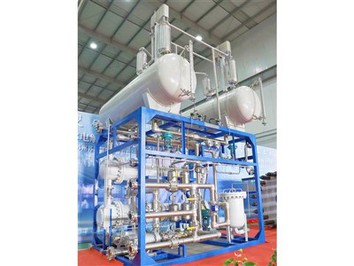


Benefits of Hydrogen Generator
Increased predictability and efficiency
Constant gas pressure and gas quality not only ensure lasting quality, but also uniform results. This increases the predictability and efficiency of your production.
Generate Gas 24/7
With a hydrogen generator you can generate your own gas 24/7. Never again an empty gas bottle at the wrong time. This makes you flexible, productive and independent.
Safety and security
A hydrogen generator also provides a bit of security. You no longer need to store high-pressure gas cylinders in your laboratory or hospital.
Independence from third parties
Because you generate your own gas, you are no longer dependent on third parties, for example for the supply of gas bottles. This saves you time, money and energy.
Occupational health and safety
Met een waterstofgenerator verkleint u niet alleen eventuele veiligheidsrisico's, maar komt u ook de gezondheid tegemoet doordat er geen transport meer plaatsvind van zware cilinders die vaak niet volgens Arbo voorschriften worden vervoert.
Cost-effective
You have no costs for the stock, rent and transport of gas bottles. This way you save hundreds of euros every year with a hydrogen generator. So a significant saving.
Time saving
You no longer have to perform administrative actions, such as invoicing, logistics and purchasing. And save you time to focus on your core business. In other words: you have more time to do what you are good at.
Minimal maintenance costs
A hydrogen generator has minimal maintenance costs.
Smaller CO2 footprint
A generator is many times less harmful to the environment. Instead of transporting the gas in heavy cylinders, where another 10% of the gas is thrown away unused, you only make what you need on the spot. Without the polluting logistics.
Hydrogen Generator Impact of Water
Hydrogen generators use electrolytic dissociation of water to generate a continuous supply of high purity hydrogen. Water purity is important for their optimal performance.
The following contaminants should be avoided:
Ions
Ions present in the water may interfere with the electrolysis process, and damage the electrochemical cells. They should be avoided. Ion exchange resins and/or reverse osmosis technologies can remove most of the ions present in tap water, making water suitable for this application.
Particles
Particles may deposit on lines and membranes, damage the electrochemical cells and interfere with the functioning of the instrument.
Organics
High loads of organics could potentially create deposits on the surface of the electrodes or form a coating on the membranes, and thus impact the local current. In addition, organic compounds can be used as nutrients by bacteria, and should therefore be kept to a minimum.
Bacteria
Bacteria levels should be kept to a minimum, to prevent the formation of biofilm inside the instrument. bacteria levels can be minimized by controlling the levels of organics present in the water. Filtration may also be used.
Users of hydrogen generators should follow manufacturer recommendations regarding the water quality required for their instruments. Water quality is important for the optimal operation of hydrogen generators, and some instruments have built-in resistivity or conductivity meters to help prevent damage to the instrument due to improper water quality. Freshly purified water, with a resistivity at or above 1 MΩ.cm is usually recommended.
Hydrogen Gas Generators for a Variety of Applications
Hydrogen cooling generators and hydrogen generation systems are commonly utilized for a wide range of applications throughout many industries. The following list of applications represent some of the more common uses for hydrogen generators.
Industrial
As your business grows, increasing amounts of hydrogen are needed to satisfy production demands. This can cause issues ranging from permit restrictions and space limitations to increased costs and safety concerns. On-site space-saving hydrogen generators are easy to permit, install, and operate. With minimal maintenance requirements, our comprehensive hydrogen generator solutions enable customers to maximize budget flexibility and optimize operational efficiency.
Power Plants
Hydrogen is an effective cooling agent in electric generators. However, power plants must maintain optimal gas purity and pressure inside the generator casings to ensure generation efficiency, operational safety, and equipment reliability. With fully-automated performance, on-site complete solutions utilize PEM technology to generate hydrogen that will maximize generator capacity, extend generator life, and reduce overall operational costs.
Semiconductor
Because high purity carrier gas is crucial to supporting semiconductor processes, professionals require a high-quality yet cost-effective gas supply. By eliminating external impurities, on-site hydrogen generators safely produce gas with consistent purity and guaranteed composition on-site, maintaining high performance in and extending the lifespan of palladium purifiers. Featuring a true zero-inventory design, these generators eliminate the need for stored flammable, giving your facility extra flexibility in relation to permitting restrictions.
Meteorology
Thanks to its low cost and reliable availability, hydrogen has been widely adopted as a lift gas to replace helium in meteorology processes. Requiring only electricity and water, on-site hydrogen generators safely and efficiently produce hydrogen at its point of use. Well-suited for diverse weather locations where consistent gas sources are unavailable, these devices eliminate the need to store high-pressure flammable gas on-site. Compared to alternative supply methods, on-site PEM systems require minimal maintenance for the highest on-stream time.
Heat Treating
Hydrogen is commonly used to provide a reductive atmosphere in material processing applications. Compared to delivered gas, dissociated ammonia, and exo- or endo gas, PEM hydrogen generation systems produce ultrahigh purity gas and offer a drier, safer alternative for operational support. When paired with generated nitrogen, on-site comprehensive solutions eliminate the need for delivery and storage of hazardous gases.
Hydrogenation
Widely employed in the petroleum, food, pharmaceutical, and chemical industries, hydrogenation processes require turnkey gas solutions that provide a safe, clean, and reliable high-volume hydrogen supply. On-site gas generation systems are expandable through their modular designs and can provide almost unlimited quantities to address growing production needs. Unlike traditional SMR, PEM systems are 100% emission free when integrated with renewable energy, supporting sustainability and green initiatives.
Hydrogen Generator – Production of Hydrogen for Storage of Energy
Production of hydrogen through hydrogen generators is emerging as one of the key options for storing energy from water and fossil fuels. Hydrogen gas is now being used in few vehicles as a pollution free fuel with the gas being generated from water with the by-product of its combustion being water. Thus, hydrogen production is likely to play an important role in tackling critical energy challenges.
Now this technology is also used in various applications like fuel cells, chemical processing, refining, petroleum recovery and so on.
Constant research and development has afforded the innovation of hydrogen generators that are safer, greener, more efficient, and more cost effective means of generating on-demand hydrogen gas than high pressure cylinders for end use applications.
The major component of a hydrogen generator is its electrolyser cell that includes two electrodes i.e. an anode and a cathode. Both the electrodes are separated by the ion exchange membrane. A platinum catalyst is used at the electrodes to perform the electrolysis process. Liquid ammonia is the raw material used in hydrogen generator. After vaporization, activated nickel catalyst is installed in the decomposition boiler. Once the heat exchange is done, the decomposed gas cools down, the gas ammonia gets recovered from the heat and enters the decomposition boiler for decomposition. A mixed gas is generated which usually enters for gas purification system to get rid of moisture & other impurities. In this way, hydrogen is generated.
Even though hydrogen energy storage is more expensive than fossil fuels due to its higher density, rise in awareness among people around the world regarding eco-friendly and zero emission vehicles is boosting the demand of hydrogen. The Asia-Pacific region is currently holding the highest market share, owing to a lot of factors such as surge in demand for fuel cells in the automobile industry, increase in demand for various ammonia fertilizers and more.
Also, temporary closure of production facilities hampered the growth of the hydrogen generator market to an extent. On the other hand, demand for continuous energy in hospitals, especially during the initial period of the pandemic, has driven the demand for hydrogen fuel cells, thereby impacted the hydrogen generator market positively.
Furthermore, requirement for numerous chemical raw materials in several industries provide lucrative opportunities for the growth of the hydrogen generator industry. Rapid development in technologies and electrical efficiency of hydrogen generators are going to gather huge prospects and exponential growth to the market in the near future
The principle of hydrogen generator
A hydrogen generator is a device used to generate hydrogen gas (H2), and its working principle is based on the reaction of electrolytic water. The following is the working principle and function of the hydrogen generator:
Working principle
The working principle of a hydrogen generator mainly involves water electrolysis reaction. Usually, water (H2O) is composed of hydrogen (H2) and oxygen (O2), while the process of electrolysis of water decomposes it into hydrogen and oxygen. The specific reaction equation is as follows:
2H2O (liquid) ->2H2 (gas)+O2 (gas)
In a hydrogen generator, an electrolytic cell is generally used, which includes two electrodes: an anode and a cathode. These two electrodes are immersed in an electrolyte solution, usually an alkaline (such as sodium hydroxide) or acidic (such as sulfuric acid) solution.
When an external power source (usually a DC power source) is connected to the electrodes of the electrolytic cell, the following two reactions occur:
On the cathode, water molecules (H2O) receive electrons and are reduced to hydrogen gas (H2)
2H2O (liquid)+2 electrons ->H2 (gas)+2 hydroxide ions (2OH -)
On the anode, water molecules lose electrons and oxygen (O2) is released:
2H2O (liquid) ->O2 (gas)+4 hydrogen ions (4H+)+4 electrons
These reactions decompose water into hydrogen and oxygen, which are discharged from the gas outlet in the electrolysis cell, while oxygen is discharged from the gas outlet in the electrolysis cell.
Function
The main function of a hydrogen generator is to generate high-purity hydrogen gas. It has a wide range of applications in various laboratories and industrial applications, including but not limited to:
Laboratory applications: Used for chemical experiments in the laboratory, sample preparation, and as a reducing agent in the reaction chamber.
Industrial applications: Used in industrial processes such as metal welding, semiconductor manufacturing, chemical production, etc. Hydrogen is also used as fuel for fuel cells and hydrogen vehicles.
Energy storage: Hydrogen is considered one of the storage forms of renewable energy, and hydrogen generators are used to convert electrical energy into hydrogen to generate electricity when needed.
Laboratory and research: In the laboratory and research field, hydrogen can be used to study the chemical properties of hydrogen, hydrogen energy technology, and related fields of research.

Hydrogen generators are used in a wide range of industries
Chemical processing: Hydrogen is used in the synthesis of a variety of chemical products, including ammonia, methanol, and cyclohexane.
Petroleum recovery: Hydrogen is used to improve the quality of crude oil and increase the yield of oil wells.
Fuel cells: Hydrogen is used as a fuel in fuel cells to generate electricity.
Refinery: Hydrogen is used to desulfurize crude oil and produce high-octane gasoline.
The key drivers of the hydrogen generator market
Increasing demand for hydrogen gas in various applications: Hydrogen is a clean and versatile fuel that can be used in a variety of applications. This is driving the demand for hydrogen generators.
Government support for hydrogen development: Governments around the world are providing financial and other support for the
development of hydrogen technologies. This is expected to boost the demand for hydrogen generators.
Technological advancements: Technological advancements are making hydrogen generators more efficient and affordable. This is making them more attractive to end users.
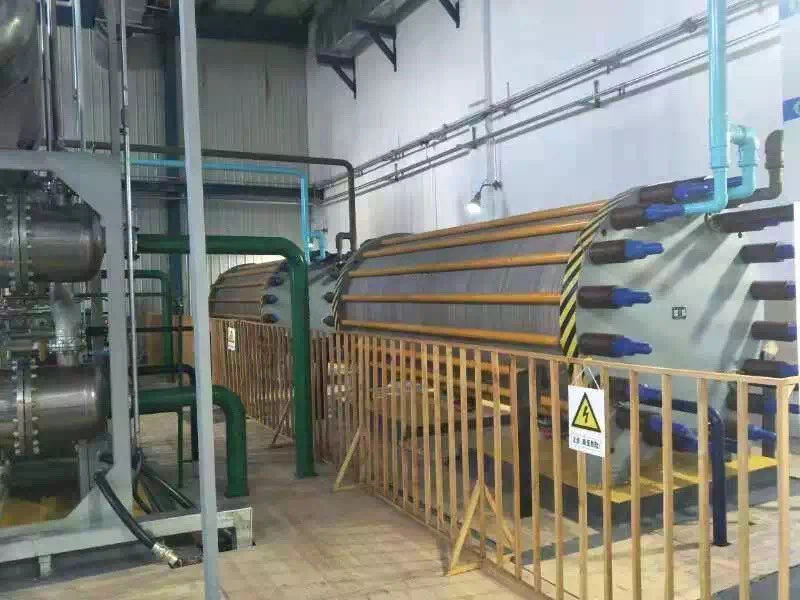
The main considerations for using a hydrogen generator for R&D
Humidity
Hydrogen generators rely on water and electricity to make hydrogen. The hydrogen generator uses electricity to separate oxygen and hydrogen and then emits oxygen on one side and hydrogen on the other side.
Because it uses water, there is a lot of humidity inside the generator which can be a source of noise during R&D which is one of the obstacles we had to overcome.
The hydrogen generator has two columns of absorbing material that aim to reduce the humidity. The humidity is very low but since our sensors are highly sensitive to humidity levels, we needed a way to drop this level even more.
We raised this issue during the conference and one of the insights we gathered was that it's possible to use more of these humidity traps. Interestingly, these columns can be dried and reused, if you are confident that you can seal it well enough so that there is no leak.
Pressure
When handling the hydrogen generator, it was also important for us to learn that the specific hydrogen generator we were using could handle a pressure of up to 5 bar. One of our needs is to fill small cylinders with H2 at a pressure that's higher than the atmospheric level. In order to fill these cylinders, we need the H2 source to be of a higher pressure than the target pressure.
Flow
We learned that for the specific hydrogen generator model we use, its intended use case is to be a part of GC where hydrogen is used as a gas carrier. Since, GC requires lower flows the generator couldn't handle the flow rate we inputted and that's why it was presenting problems.
A smaller flow level is safer to use. The H2 generator also has protection protocols in place that automatically checks if there is a consumption of hydrogen (based on some resistance of the flow) so that the hydrogen won't spread out in the lab.
Our Factory
Products are sold in all regions of China and exported to countries around the world. They have been sold in more than 20 countries and regions including the United States, Germany, Morocco, Kenya, Saudi Arabia, Vietnam, Algeria, India, Tanzania, and Taiwan. Successfully provided well -known enterprises such as China Aerospace, PetroChina, China Nuclear Group, BYD, Jiuli Specialty, Tony Electronics, Zheng Energy Group and other well -known enterprises. There are many green hydrogen hydrogen hydrogenation stations such as Wulanchabu, Haikou, Hainan, Hainan Haikou, Yunnan Kunming, etc. provide green and hydrogen -making projects.

FAQ
Q: What is the lifespan of a hydrogen generator?
Q: Can hydrogen generators be used in residential settings?
Q: Are there any government incentives for installing a hydrogen generator?
Q: How does a hydrogen generator impact the environment?
Q: What are the future prospects for hydrogen energy?
Q: Are hydrogen generators efficient?
With three product models scaling from 4kg of hydrogen per day up to 390kg of hydrogen a day, an Element 1 hydrogen generator operates using a highly efficient thermochemical process and achieves energy efficiency of up to 84%, resulting in low hydrogen cost at the point of use.
Q: What can you do with a hydrogen generator?
Q: What are the benefits of HHO gas?
Q: Does HHO really improve fuel economy?
Q: Why hydrogen engines are a good idea?
Q: Can you power a house with a hydrogen generator?
Q: Can you use tap water in hydrogen generator?
Q: What are the problems with hydrogen generation?
Q: Why hydrogen is not used as a fuel?
Q: Is hydrogen better than electricity?
Q: What are 3 benefits of hydrogen energy?
Q: Are hydrogen generators safe?
Q: What does a hydrogen generator do to water?
Q: Are hydrogen generators any good?
Q: Can you use tap water in hydrogen generator?
We're well-known as one of the leading hydrogen generator manufacturers and suppliers in China. Please feel free to wholesale high quality hydrogen generator from our factory. For customized service, contact us now.
Hydrogen Peroxide Well Water Treatment System, Hydrogen Peroxide Water Treatment System, Containerized Green Hydrogen Production