

Why Choose Us
One-stop service
We promise to provide you with the fastest reply, the best price, the best quality, and the most complete after-sales service.
Quality Assurance
We have a rigorous quality assurance process in place to ensure that all our services meet the highest standards of quality. Our team of quality analysts checks each project thoroughly before it is delivered to the client.
State-of-the-art Technology
We use the latest technology and tools to deliver high quality services. Our team is well-versed in the latest trends and advancements in technology and uses them to provide the best results.
Competitive Pricing
We offer competitive pricing for our services without compromising on quality. Our prices are transparent, and we do not believe in hidden charges or fees.
Customer Satisfaction
We are committed to delivering high quality services that exceed our clients' expectations. We strive to ensure that our clients are satisfied with our services and work closely with them to ensure their needs are met.
Customer Service
We earn your respect by delivering on time and on budget. We built our reputation on exceptional customer service. Discover the difference it makes.
The generation of green hydrogen is achieved by electrolysis using renewable energy rather than producing it from natural gas, which results in large amounts of CO2 emissions.


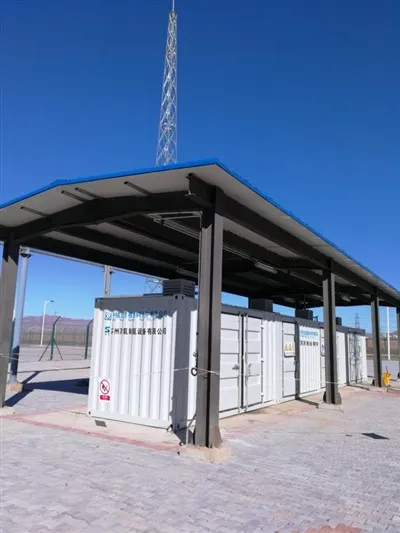


Benefits of Green Hydrogen Production Solution
100 % sustainable
Green hydrogen does not emit polluting gases either during combustion or during production.
Storable
Hydrogen is easy to store, which allows it to be used subsequently for other purposes and at times other than immediately after its production.
Versatile
Green hydrogen can be transformed into electricity or synthetic gas and used for commercial, industrial or mobility purposes.
Advantages of green hydrogen: A fuel for the clean energy transition
The different types of hydrogen
One of the many advantages of green hydrogen is that hydrogen is one of the most abundant elements found on Earth, although it is hard to find in its free state. As a result, it needs to be extracted from other sources such as water, coal, biomass, or natural gas using several processes and resources. The different combinations of sources and processes are usually described using various colours. For instance, hydrogen that is extracted from coal using a gasification process is labelled brown hydrogen, and hydrogen extracted from natural gas using steam methane reformation is labelled grey hydrogen.
Most of the hydrogen production used today utilises high-carbon sources. However, to achieve a more sustainable future and forward the clean energy transition, the global objective is to scale down the use of other hydrogen "colours" and to produce a cleaner product, such as green hydrogen.
How is green hydrogen produced
Green hydrogen is produced by the electrolysis of water powered by renewable energy sources such as solar or wind power. Electrolysis is the process of using electricity to split water into hydrogen and oxygen. This reaction takes place in a unit named an electrolyser. As renewable energy sources are used to conduct the electrolysis, no CO2 is emitted into the atmosphere, making green hydrogen the cleanest option for energy.
It is also a clean fuel alternative as the by-product of oxygen from the electrolysis method can be efficiently vented back into the atmosphere without consequence. The global adoption of this technique used to obtain green hydrogen could radically reduce the amount of CO2 emissions that are produced through fossil fuel consumption.
What are the main uses and benefits of green hydrogen
There are multiple advantages of green hydrogen, one being its sustainability, as it does not emit polluting gases in either its production or combustion. This fuel alternative can also reduce carbon footprints as it does not release greenhouse gases.
Green hydrogen is also very versatile as it can be transformed into either a synthetic gas or electricity. It can be utilised for commercial, domestic, mobility, or industrial purposes. It is also easily storable as hydrogen is very lightweight.
Hydrogen fuel cell technology produces a high-density energy source that is energy efficient. Its fuel efficiency enables a higher energy production per pound of fuel than alternative energy sources.
Hydrogen is a naturally occurring gas that is also the most abundant element in the universe. It has enormous potential as an environmentally friendly alternative to fossil fuels because it only emits water when it is burned. Hydrogen is also more efficient: the amount of energy produced by hydrogen per unit weight of fuel is three times that produced by the same weight of petrol and nearly seven times that produced by coal.
Hydrogen is also flexible and can be stored, liquefied and transported to where it is needed via pipelines, trucks and ships. It could solve the energy transfer issue for renewables and be used in fuel cells to produce electricity for power generation, transport and domestic heating. In the future, clean-burning hydrogen could also be used to decarbonize heavy industry.
But there's a catch. Although burning hydrogen does not emit carbon dioxide (CO2), some of the processes used to produce the hydrogen do generate harmful emissions. For this reason, hydrogen is now often referred to as grey, blue or green depending on the amount of CO2 that is created during its production.


Producing hydrogen is a complex process. It has been conventionally made using a process called steam reforming, which splits natural gas into hydrogen and CO2. But the CO2 byproduct makes this a carbon-intensive process and is why hydrogen produced this way is called "grey" hydrogen – it is worth noting that 96 percent of the world's hydrogen is "grey" and still comes from fossil fuels.
Today, new technologies developed for carbon capture utilization and storage (CCUS) can trap the CO2 created during steam reforming before it is released into the atmosphere. Hydrogen produced in this way is more environmentally friendly and is called "blue" hydrogen.
As its name suggests, the cleanest option is "green" hydrogen. It is produced by splitting water (H2O) into hydrogen and oxygen via a process of electrolysis powered by renewable energy. This means that no CO2 is created during production.
Hydrogen's diverse applications
In general terms, hydrogen can be used as a fuel in two main ways. It can be burnt to produce heat, or it can be fed into a hydrogen fuel cell to generate electricity. The good news is that once blue or green hydrogen has been produced, it has a variety of different applications:
Transport: Hydrogen is already being used to fuel buses and other forms of public transport, especially in Japan. It can also be used to power freight trucks and trains, while hydrogen-based fuels such as ammonia can be used in aviation and shipping. A more widespread use of hydrogen to power vehicles will depend on the price of hydrogen fuel cells becoming cheaper and hydrogen refueling stations becoming more common.
Power generation: Hydrogen can be used for turning renewable energy sources into a fuel that can then be stored and transported over long distances. Hydrogen and ammonia can also be used in gas turbines and coal-fired power stations to reduce their emissions.
Heating buildings: Hydrogen has huge potential to replace natural gas for heating domestic and commercial buildings via existing natural gas infrastructure. Hydrogen boilers and domestic hydrogen fuel cells require further development but could play an important role in the future.
Industry: Hydrogen is currently used in a wide range of important industrial processes. These include refining petrol, manufacturing steel, treating metals and producing a range of chemicals.
How is green hydrogen produced
Unlike gray hydrogen, green hydrogen is fully renewable in both its source material and its energy supply. For source material, green hydrogen today is typically generated from water through a process known as electrolysis, which uses an electric current to split water into its component molecules of hydrogen and oxygen. This is done using a device called an electrolyzer, which utilizes a cathode and an anode (positively and negatively charged electrodes). This process produces only oxygen – or steam – as a byproduct. As for energy supply, to qualify as "green hydrogen," the source of electricity used for electrolysis must derive from renewable power, such as wind or solar energy.
There are three main kinds of electrolyzers: Alkaline, proton exchange membrane (PEM), and solid oxide. These vary in the nature of the electrolyte material used. Alkaline electrolyzers utilize an aqueous solution with an alkaline-like salt to enable electrical conductivity, while PEM electrolyzers use a solid polymer membrane (electrolyte). Solid oxide electrolyzers use solid ceramic material as the electrolyte, which enables them to operate at higher electrical efficiency and much higher temperatures. This permits the use of steam and external heat as energy sources rather than relying on electricity. Thus, solid oxide electrolysis enables significantly lower cost of operations, since heat is typically less expensive and is sometimes naturally produced as a byproduct of certain industrial processes.
How Green Hydrogen Can Reduce Fossil Fuel Dependence And Carbon Emissions
Years ago, hydrogen was seen only as a solution for the evolution of greener vehicles. As electric vehicles have gained more traction, hydrogen is increasingly being seen as a solution for other industries.
The demand for hydrogen continues to increase as its usage expands across industrial and manufacturing industries for a variety of purposes, including oil refining, steelmaking and cement production. However, as hydrogen's popularity grows, the importance of green hydrogen can't be overstated. Alarmingly, 98% of hydrogen is made from fossil fuels with no carbon dioxide emissions controls or regulations in place. But green hydrogen has the potential to change that—for good.
From commercial plant production smoke to gasoline and diesel-powered car exhaust fumes, green hydrogen production reduces or eliminates the need for fossil fuel energy sources that release large amounts of carbon dioxide into the air. In the data center industry, as storage systems develop hydrogen, it can be used instead of diesel-powered backup generators to energize future data centers. As a result, green hydrogen benefits abound, allowing governments and organizations to bolster national energy security, conserve fuel, reduce overall emissions and diversify transportation energy options from cars to expansive public transit systems.
Green hydrogen technology couldn't have been introduced at a better time. The U.S. Energy Information Administration predicts global energy demand will increase by 47% by 2050. The only way to offset that demand in the form of oil and coal energy production is by adopting greener methods, such as green hydrogen.
And thanks to the technological breakthroughs that have essentially decarbonized the production of hydrogen, many companies are turning to carbon offsets that leverage green hydrogen to reduce their carbon footprint and meet aggressive ESG goals.
The process of generating green hydrogen comes with advantages. The International Energy Agency (IEA) states that green hydrogen saves approximately 830 million tons of carbon dioxide emitted annually compared to when the gas is produced using traditional fossil fuel methods. That's equivalent to an entire year's worth of emissions from the U.K. and Indonesia combined!
Just like with any new technology, there are some challenges to overcome as the green hydrogen boom takes hold. Some issues to consider include process efficiency and costs of production on a large scale, in addition to establishing long-term pressurized storage solutions. Challenges aside, green hydrogen is an exciting new technology that could help balance the much-needed large-scale production of green energy.
Why do we need green hydrogen
A big part of the shift away from fossil fuel involves electrifying some of the everyday machines we use that are powered by oil and gas – cars and local transport, and heating for homes in some countries, for example. For those already electrified, like computers and home appliances, electricity from nuclear and renewables like wind and solar are replacing coal.
But there are some industries that require so much energy that traditional renewables can't meet their demand. That's a problem, because those industries are among the top emitters of greenhouse gas.
This is where experts say green hydrogen has huge potential.
"Electricity from sources such as wind, solar and nuclear is essential for decarbonising our energy system – but it cannot do it alone, and long-distance transport and heavy industries are home to the hardest emissions to reduce," said an energy analyst at the International Energy Agency.
"Hydrogen is versatile enough to fill some of these critical gaps – in providing vital feedstocks for the chemicals and steel industries or crucial ingredients for low-carbon fuels for planes and ships," Remme told CNN.
Operating a plane or a large ship, for instance, requires so much energy that any battery used to store electricity from solar or wind would likely be too large and heavy for the vessel. Green hydrogen, on the other hand, can come in liquid form and is lighter. According to Airbus, which is developing a zero-emissions commercial aircraft, the energy density of green hydrogen is three times higher than jet fuels we use today.
While liquid green hydrogen would emit zero carbon, it has some limitations. When burned in the open atmosphere it releases a small amount of nitrous oxide, which is a potent greenhouse gas. If the hydrogen is fed through a fuel cell, however, it will only emit water and warm air.
Some small planes have managed to fly with hydrogen-fed fuel cells, though the technology hasn't yet been scaled up commercially.
14 things you need to know about hydrogen
It is currently all hands on deck to achieve the climate targets. The energy transition really needs a big boost. Hydrogen can make an important contribution to this. Collaboration is essential in order to be able to use hydrogen successfully, for example, to contribute to CO2 reduction in industry, e-fuels for aircraft and use in the built environment. But investments are needed and there are questions.
What is hydrogen?
Hydrogen is the most common element in our universe. Under normal circumstances it is gaseous and we speak of hydrogen gas (H2). Hydrogen is also the lightest gas we know and therefore has a low energy density per unit volume (in m3). Per weight (in kg), hydrogen does have a high energy density of 120 megajoules (MJ) per kg. That is almost three times as much as natural gas (45 MJ per kg). Hydrogen is often pressurized. Pressurising (compressing) hydrogen gas, however, also requires the necessary energy (about 10%).
What is grey and blue hydrogen?
Almost all of the hydrogen currently produced worldwide is so-called 'grey hydrogen'. Production currently takes place via Steam Methane Reforming (SMR). Here high pressure steam (H2O) reacts with natural gas (CH4) resulting in hydrogen (H2) and the greenhouse gas CO2. In the Netherlands, approximately 0.8 million tonnes of H2 are produced in this way, using four billion cubic metres of natural gas and generating CO2 emissions of 12.5 million tonnes.
The term 'blue hydrogen' or 'low carbon hydrogen' is used when the CO2 released in the process of grey hydrogen production is largely (80-90%) captured and stored. This is also called CCS: Carbon Capture & Storage. This could happen in empty gas fields under the North Sea. Nowhere else in the world is blue hydrogen produced on a large scale.
What is green hydrogen?
Green hydrogen, also known as 'renewable hydrogen', is hydrogen that is produced with sustainable energy. The best known is electrolysis, in which water (H2O) is split into hydrogen (H2) and oxygen (O2) via green electricity. A large number of parties in the Netherlands are experimenting with these megawatt-scale electrolysers. Hydrogen is also released during high-temperature gasification of biomass.
What is turquoise hydrogen?
Hydrogen produced from natural gas using the so-called molten metal pyrolysis technology is called 'turquoise hydrogen' or 'low carbon hydrogen'. Natural gas is passed through a molten metal that releases hydrogen gas as well as solid carbon. The latter can find a useful application in, for example, car tyres. This technology is still in the laboratory phase and it will take at least ten years for the first pilot plant to be realised.
What are the further fundamental differences between blue and green?
In addition to the method of production, there are a number of other key differences:
Only green hydrogen produced via electrolysis ensures that large quantities of sustainable electricity produced at sea and on land can be properly integrated into our energy system. Only electrolysis can convert electricity to hydrogen flexibly (on demand) and then store it.
In addition, the development of large-scale electrolysis will help cater to the rising demand for electricity and thus stimulate the growth of sustainable energy.
There is also a difference in quality. Green hydrogen has a higher degree of purity and can be used immediately, for example in the fuel cell of a vehicle. Blue hydrogen has a lower purity level, sufficient for industrial application.
The production of blue hydrogen is a way to 'decarbonise' industry, i.e. reduce CO2, on a large scale and at relatively low cost.
White hydrogen from the soil the clean energy source of the future?
We already know grey, blue and green hydrogen, but it now appears that white or natural hydrogen is also available. That comes from the soil, just like natural gas. When hydrogen is burned with oxygen, only water is released. White hydrogen is a natural hydrogen from the subsurface that has the potential to become an important energy source of the future if it is made by electrolysis of water with wind or solar power (green).
It is then not made from natural ash or coal (grey), not even by first capturing the CO2 (blue). The gas is mainly used to heat processes in the chemical industry and in the production of steel and fertilizer. In the transition from fossil to green energy, it can serve as a storage buffer for electricity during periods without sun and wind.
What role does hydrogen play in the energy transition?
In our current energy mix, approximately 20% is supplied in the form of electricity and 80% in the form of natural gas or liquid fossil fuel (petrol, diesel). Our climate targets are going to change this situation considerably in the near future. The share of electricity generated by wind and solar power will increase sharply. For a number of applications such as heavy transport, high-temperature processes in industry and aviation, a good electrical solution is still lacking and there is still a need for a sustainable gas. Hydrogen can play a useful role here. In addition, hydrogen is important in the form of large-scale storage for those moments when it is windless and cloudy.
Which countries are also working on hydrogen?
Countries such as Norway, Australia, Morocco, Chile, Saudi Arabia, China and Japan are very active with green hydrogen, mainly because there is considerable (potential) availability of cheap renewable energy from wind, solar or hydropower to produce green hydrogen. An exception to this though is Japan, which is largely dependent on imports for its energy supply and has developed a strategy to import (green) hydrogen on a large scale. Its key role lies in technology development. The Netherlands is in a good position thanks in part to our knowledge of gas and electrolysis technology, the great potential for wind energy in the North Sea and the energy-intensive industry that needs to make a strong commitment to sustainability.
What are we going to use hydrogen for?
Hydrogen is particularly important for the process industry. It is now mainly used for the production of fertiliser but in the future it can also be used for high-temperature processes such as steel production for which natural gas or coal is now used. In addition, hydrogen will play a role in mobility, for example for intercity buses that have to cover longer distances and where electric driving is not a solution.
What does hydrogen mean for the citizen?
In the short term not much will be evident. The use of hydrogen in homes, for example, will be long overdue if this happens at all. For the majority of homes, a collective heat grid or an electric heat pump offers a better solution. In traffic, the number of hydrogen cars (currently less than a hundred) and the number of hydrogen filling stations (in 2018: 3) will slowly increase.
What are the risks?
Hydrogen is a very light gas, highly flammable and is used in mobility under pressures up to 700 bar. Just like any other gas, it is important to handle it with care during production, transport and use, and to leave it exclusively to professional companies. If hydrogen is to be used in existing gas pipelines, it is important to further investigate how hydrogen actually 'behaves' in practice. Hydrogen is lighter than natural gas and can escape more easily from valves and seals.
What is TNO doing in terms of hydrogen research?
TNO is an independent organisation that conducts cutting-edge applied research. Its research on hydrogen focuses on production, infrastructure and applications (conversion and end-use). In 2020,TNO undertook more than 50 projects relating to these themes. Links to a selection of these projects can be found below (item 15).
How far along is the development of green hydrogen?
Some 230 electrolysis projects entered operation between 2000 and 2018 with a total capacity of about 100 MW (source: IEA 2019, The Future of Hydrogen). In 2020, global installed capacity was 200 MW and approximately 2,400 MW by the end of 2023. These figures show that we are only getting started and that we need to develop an entirely new supply chain.
We need new companies, new suppliers and new manufacturers to develop materials and components for larger and next-generation electrolysis systems. This is a golden opportunity for the Dutch high-tech industry. The European Union's aim is to install 40 GW of electrolysis capacity in the Union by 2030 and another 40 GW in North Africa. Attaining this aim will require us to accelerate the pace of both technological innovation and the actual projects.
What are the biggest technical challenges posed by electrolysis?
In terms of water electrolysis, there are currently four technologies available (AEM, SOE, PEM and Alkaline), each with its specific advantages, disadvantages and level of maturity. Have a look at our video about the production of hydrogen using electrolysis(opens in a new window or tab) (refers to a different website). For all four technologies, the three main research challenges are:
to reduce the capital expenditure associated with the system
to improve system efficiency
to overcome barriers to large-scale production so that an annual worldwide electrolyser production capacity of 30 GW can be achieved by 2030.
Our Factory
Products are sold in all regions of China and exported to countries around the world. They have been sold in more than 20 countries and regions including the United States, Germany, Morocco, Kenya, Saudi Arabia, Vietnam, Algeria, India, Tanzania, and Taiwan. Successfully provided well -known enterprises such as China Aerospace, PetroChina, China Nuclear Group, BYD, Jiuli Specialty, Tony Electronics, Zheng Energy Group and other well -known enterprises. There are many green hydrogen hydrogen hydrogenation stations such as Wulanchabu, Haikou, Hainan, Hainan Haikou, Yunnan Kunming, etc. provide green and hydrogen -making projects.

FAQ
Q: What is the greenest way to produce hydrogen?
Q: How does green hydrogen production work?
Q: What is the technology for green hydrogen production?
Q: What is the cheapest way to produce green hydrogen?
Q: What is the best way to produce hydrogen?
Q: What materials are needed for green hydrogen?
Q: Is green hydrogen profitable?
Q: How much electricity is required to produce green hydrogen?
Q: Does green hydrogen have a future?
Q: Is green hydrogen really green?
Q: Can green hydrogen be produced from water?
Q: Why is hydrogen so hard to produce?
Q: How much does it cost to produce 1kg of green hydrogen?
Q: Is green hydrogen better than solar?
Q: What is the most efficient green hydrogen production?
Q: What is the cheapest way to produce green hydrogen?
Q: Is it easy to produce green hydrogen?
Q: What will green hydrogen replace?
Q: What are the challenges of green hydrogen?
Q: How do you extract green hydrogen from water?
We're well-known as one of the leading green hydrogen production solution manufacturers and suppliers in China. Please feel free to wholesale high quality green hydrogen production solution from our factory. For customized service, contact us now.
Electro Hydrogen Generator, Industry Alkaline Electrolyser, Alkaline Hydrogen Electrolyzer