

Why Choose Us
One-stop service
We promise to provide you with the fastest reply, the best price, the best quality, and the most complete after-sales service.
Quality Assurance
We have a rigorous quality assurance process in place to ensure that all our services meet the highest standards of quality. Our team of quality analysts checks each project thoroughly before it is delivered to the client.
State-of-the-art Technology
We use the latest technology and tools to deliver high quality services. Our team is well-versed in the latest trends and advancements in technology and uses them to provide the best results.
Competitive Pricing
We offer competitive pricing for our services without compromising on quality. Our prices are transparent, and we do not believe in hidden charges or fees.
Customer Satisfaction
We are committed to delivering high quality services that exceed our clients' expectations. We strive to ensure that our clients are satisfied with our services and work closely with them to ensure their needs are met.
Customer Service
We earn your respect by delivering on time and on budget. We built our reputation on exceptional customer service. Discover the difference it makes.
Compressed Hydrogen Dryers (H2 Dryers) are designed for continuous separation of water vapour from compressed hydrogen, thus lowering its pressure dew point.


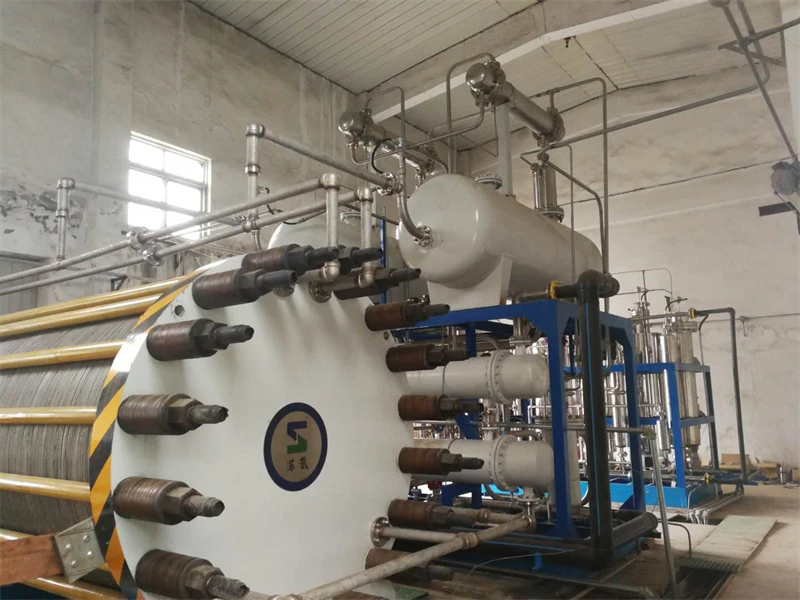
Drying hydrogen gas is essential to ensure its purity and prevent any negative impact on equipment or processes where it is used. Several technologies are available for removing moisture from a hydrogen stream:
Adsorption drying: Adsorption drying uses solid desiccants, such as silica gel, activated alumina, or molecular sieves, to remove moisture from the hydrogen stream. The wet hydrogen gas flows through a bed of desiccant material, which adsorbs the water vapor. Once the desiccant becomes saturated, it needs to be regenerated either through thermal or pressure swing methods.
Membrane separation: Membrane drying uses specialized, selectively permeable membranes to separate water vapor from the hydrogen stream. As the hydrogen gas flows across the membrane surface, water vapor permeates through the membrane, leaving dry hydrogen on the other side. This process can be very effective at removing moisture, but membrane performance can be influenced by factors such as pressure, temperature, and the hydrogen flow rate.
Refrigeration drying: In refrigeration drying, the hydrogen stream is cooled to a temperature below its dew point, causing the water vapor to condense into liquid water. The condensed water is then separated and removed from the hydrogen stream. This method is effective for removing large amounts of moisture, but it may not be suitable for achieving very low dew points.
Cryogenic drying: Cryogenic drying involves cooling the hydrogen gas to extremely low temperatures (below -100°C or -148°F), which causes the water vapor to freeze and form ice crystals. These ice crystals can then be separated from the hydrogen stream using filtration or separation methods. This process can achieve very low dew points
Secure drying process for manufacturing fuel cells
Secure drying process for manufacturing fuel cells
If the energy transition is to succeed, the use of fossil fuels must be reduced even further. Hydrogen as a substitute for gas and oil is much discussed in this context. Capable of being used in many ways, it is already considered the energy source of the future. As e-mobility solutions and other energy-hungry areas expand, hydrogen is coming under special scrutiny.
Compared to vehicles powered by electric batteries.
Fuel cell vehicles, carrying hydrogen stored in tanks, are lighter and achieve significantly higher ranges. The latter factor is also important for short-haul aircraft and rail transport, where the first trains powered by fuel cells are already achieving ranges of up to 1000 km. At present, only about 60 percent of the German railway network is electrified. The remaining 40 percent, or about 13,000 km, can be used only by diesel locomotives. On these tracks, in rural areas that see a lot of passenger trains, up to 500,000 fewer tonnes of CO2 could be emitted in future. Hydrogen can also contribute effectively to reducing industrial CO2 emissions. In the future, energy-hungry industries will be able to produce hydrogen cost-effectively from stationary electrolysers powered by surplus (or their own) green wind or solar energy, which can be stored temporarily and re-used as needed in fuel cell units.
Within the process chain for manufacturing fuel cells.
Rehm offers innovative drying systems. These are used to produce both PEM cells – the so-called low-temperature fuel cells – and the high-temperature fuel cells based on ceramic (SOFC) or metallic (MSC) membrane materials. The fuel cells are set in the bipolar plate, which seals in the reaction, distributes the flow of gas and oxidants and collects the electric current generated. To achieve the total power required, the plates are assembled into stacks.
Producing both the membrane unit and the bipolar plate involves coating processes using solvent-based materials that must be dried safely and reliably. As a technology leader in thermal systems – in particular, systems that meet flexible drying requirements – Rehm offers customised solutions to scale these new processes up from prototype or laboratory stage to an industrialised, automated production environment, and so making fuel cell production ready for series production.
Optimal drying process for safe and reliable results
The optimum heat management of the Rehm Drying System using upper and lower heaters works with infrared radiation (IR) and/or convection to dry reliably a wide range of materials. By implementing these two heat transfer processes, the systems are optimally designed for processing coating materials that contain solvents. The exceptional thermal insulation of heating zones and the individually adjustable temperatures allow for optimum profiling of your drying processes – perfectly tailored to the requirements in fuel cell production.
Convective drying
When drying using the convection process, the process atmosphere is heated using a hot-air fan and then flows onto the components. The heating elements are attached above and below the transport system. The flow speeds of the upper and lower heating zones are individually adjustable to ensure that the assembly is heated through evenly. This prevents tension in the material.
Combination heating process with IR
In the combination heating process, the heat is transferred by infrared radiation, which is supported by central convection heating. All heating chambers are equipped with high-performance IR radiators. The IR radiation penetrates the circuit board and drives out the solvents from the interior. This enables a faster and more efficient drying process. For the additional convection, the volume flow can be pre-set. The heating base of all IR radiators can also be equipped with glass covers to protect against contamination and to make cleaning easier.
Exhaust system and integrated extraction
The exhaust system ensures, among other things, the safe extraction of solvents. Appropriate mechanisms are attached to the input and output of the process chamber and inserted between the heating zones. The process exhaust air is fed directly into the building extraction system through the fan. The substances to be hardened and the exhaust products released determine the extraction volume. The extraction function is monitored by a pressure sensor. If there is a problem, the heating switches off automatically and the inflow of new components is stopped. This prevents any flammable gas mixtures from forming in the system.
With its extensive portfolio of drying systems ranging from continuous dryers in various designs to magazine dryers for the space-saving drying of several parts at the same time, Rehm is the reliable partner for your fuel cell production.
In the future, green hydrogen can replace oil, coal or natural gas as a sustainable energy carrier. Hydrogen has the advantage of making green power generated from renewables storable and transportable. This means that spatial and temporal gaps in the energy supply can be bridged.
This is a particularly valuable feature for the transportation and industrial sectors. In heavy-duty transport, hydrogen drive systems have advantages over purely electric drives: They significantly increase the range of trucks. Experts predict that hydrogen will surpass diesel in terms of cost-effectiveness from 2030 on. For aircraft and ships, too, hydrogen propulsion is likely to play an important role.
Green hydrogen will also drive the energy transition in industry. According to the EU’s Renewable Energy Directive REDII, 32 percent of energy consumption must come from renewable sources by 2030. 80 percent of the demand for green hydrogen will come from industry by then. For example, feedstocks such as synthetic fuels, ammonia or methanol can be produced with the help of green hydrogen, as can new raw materials in the steel industry.

Key areas of the green hydrogen value chain
Although an energy supply based on hydrogen is not yet competitive today, this will change. The political willingness to do so is there, and the technologies are on the starting blocks. Voith covers key areas of the hydrogen value chain – from production to transport, storage and use.
Hydrogen production via hydropower
Besides fluctuating types of generation such as wind and solar energy, there is a "hidden champion" among renewable energy sources that is ideally suited for generating green hydrogen: hydropower. It is the absolute leader among sustainable forms of energy production, generating 64 percent of green energy. This proven, predictable and competitively priced technology thus plays an important role in the energy transition.
These advantages can be harnessed to produce green hydrogen. On the one hand, fresh water – the feedstock for H2 production – is available in large quantities directly on site. On the other hand, hydroelectric power plants have an extremely long service life of up to 40 years, until the first modernizations are necessary. But the unrivaled high efficiency of over 90 percent in modern plants and continuous operation also play a key role. Above all, run-of-river power plants, some of which have more than 6,000 full load hours per year, offer the ideal basis for electrolysis plants for hydrogen production at relatively low costs. Voith is a leading hydropower supplier.
Transport via hydrogen pipelines
Pipelines are one way of transporting the hydrogen produced to hydrogen refueling stations or industrial plants. So far, the worldwide network of hydrogen pipelines measures around 4,300 km. In the future, the infrastructure will be further expanded, also through publicly funded projects such as the "European Hydrogen Backbone." By 2040, up to 53,000 km of pipeline will be laid in a total of 28 countries as part of the European project.
Storage in high-pressure hydrogen tanks
In order to use hydrogen on board a vehicle, it must be stored in smaller quantities. This is achieved with the help of specially developed gas storage tanks. These must meet high safety standards, as they are filled with the highly flammable hydrogen at up to 700 bar. Particularly in the case of hydrogen vehicles, whether hydrogen fuel cells or hydrogen combustion engines, such tanks must also be able to withstand accidents. Because of these factors, gas storage tanks are one of the most challenging system components in hydrogen vehicles.
Utilization by means of hydrogen fuel cells
The electrolysis that previously separated hydrogen and oxygen must be reversed to release energy from hydrogen. The hydrogen from the hydrogen tank reacts with the oxygen in the air to form water as a "clean" waste product. This process occurs in a fuel cell: During the chemical reaction at the anode and cathode, chemical energy is converted into electrical energy.
Components for the hydrogen-electric powertrain
Regardless of whether the electrical energy is generated by hydrogen fuel cells or comes only from the battery in purely electric vehicles, it must be converted into kinetic energy at the wheel via an electric drive train.
10 things you need to know about hydrogen
It is currently all hands on deck to achieve the climate targets. The energy transition really needs a big boost. Hydrogen can make an important contribution to this. Collaboration is essential in order to be able to use hydrogen successfully, for example, to contribute to CO2 reduction in industry, e-fuels for aircraft and use in the built environment. But investments are needed and there are questions.
What is hydrogen?
Hydrogen is the most common element in our universe. Under normal circumstances it is gaseous and we speak of hydrogen gas (H2). Hydrogen is also the lightest gas we know and therefore has a low energy density per unit volume (in m3). Per weight (in kg), hydrogen does have a high energy density of 120 megajoules (MJ) per kg. That is almost three times as much as natural gas (45 MJ per kg). Hydrogen is often pressurized. Pressurising (compressing) hydrogen gas, however, also requires the necessary energy (about 10%).
What is grey and blue hydrogen?
Almost all of the hydrogen currently produced worldwide is so-called 'grey hydrogen'. Production currently takes place via Steam Methane Reforming (SMR). Here high pressure steam (H2O) reacts with natural gas (CH4) resulting in hydrogen (H2) and the greenhouse gas CO2. In the Netherlands, approximately 0.8 million tonnes of H2 are produced in this way, using four billion cubic metres of natural gas and generating CO2 emissions of 12.5 million tonnes.
The term 'blue hydrogen' or 'low carbon hydrogen' is used when the CO2 released in the process of grey hydrogen production is largely (80-90%) captured and stored. This is also called CCS: Carbon Capture & Storage. This could happen in empty gas fields under the North Sea. Nowhere else in the world is blue hydrogen produced on a large scale.
What is green hydrogen?
Green hydrogen, also known as 'renewable hydrogen', is hydrogen that is produced with sustainable energy. The best known is electrolysis, in which water (H2O) is split into hydrogen (H2) and oxygen (O2) via green electricity. A large number of parties in the Netherlands are experimenting with these megawatt-scale electrolysers. Hydrogen is also released during high-temperature gasification of biomass.
What is turquoise hydrogen?
Hydrogen produced from natural gas using the so-called molten metal pyrolysis technology is called 'turquoise hydrogen' or 'low carbon hydrogen'. Natural gas is passed through a molten metal that releases hydrogen gas as well as solid carbon. The latter can find a useful application in, for example, car tyres. This technology is still in the laboratory phase and it will take at least ten years for the first pilot plant to be realised.
What are the further fundamental differences between blue and green?
In addition to the method of production, there are a number of other key differences:
Only green hydrogen produced via electrolysis ensures that large quantities of sustainable electricity produced at sea and on land can be properly integrated into our energy system. Only electrolysis can convert electricity to hydrogen flexibly (on demand) and then store it.
In addition, the development of large-scale electrolysis will help cater to the rising demand for electricity and thus stimulate the growth of sustainable energy.
There is also a difference in quality. Green hydrogen has a higher degree of purity and can be used immediately, for example in the fuel cell of a vehicle. Blue hydrogen has a lower purity level, sufficient for industrial application.
The production of blue hydrogen is a way to 'decarbonise' industry, i.e. reduce CO2, on a large scale and at relatively low cost.
White hydrogen from the soil the clean energy source of the future?
We already know grey, blue and green hydrogen, but it now appears that white or natural hydrogen is also available. That comes from the soil, just like natural gas. When hydrogen is burned with oxygen, only water is released. White hydrogen is a natural hydrogen from the subsurface that has the potential to become an important energy source of the future if it is made by electrolysis of water with wind or solar power (green).
It is then not made from natural ash or coal (grey), not even by first capturing the CO2 (blue). The gas is mainly used to heat processes in the chemical industry and in the production of steel and fertilizer. In the transition from fossil to green energy, it can serve as a storage buffer for electricity during periods without sun and wind.
What role does hydrogen play in the energy transition?
In our current energy mix, approximately 20% is supplied in the form of electricity and 80% in the form of natural gas or liquid fossil fuel (petrol, diesel). Our climate targets are going to change this situation considerably in the near future. The share of electricity generated by wind and solar power will increase sharply. For a number of applications such as heavy transport, high-temperature processes in industry and aviation, a good electrical solution is still lacking and there is still a need for a sustainable gas. Hydrogen can play a useful role here. In addition, hydrogen is important in the form of large-scale storage for those moments when it is windless and cloudy.
Which countries are also working on hydrogen?
Countries such as Norway, Australia, Morocco, Chile, Saudi Arabia, China and Japan are very active with green hydrogen, mainly because there is considerable (potential) availability of cheap renewable energy from wind, solar or hydropower to produce green hydrogen. An exception to this though is Japan, which is largely dependent on imports for its energy supply and has developed a strategy to import (green) hydrogen on a large scale. Its key role lies in technology development. The Netherlands is in a good position thanks in part to our knowledge of gas and electrolysis technology, the great potential for wind energy in the North Sea and the energy-intensive industry that needs to make a strong commitment to sustainability.
What are we going to use hydrogen for?
Hydrogen is particularly important for the process industry. It is now mainly used for the production of fertiliser but in the future it can also be used for high-temperature processes such as steel production for which natural gas or coal is now used. In addition, hydrogen will play a role in mobility, for example for intercity buses that have to cover longer distances and where electric driving is not a solution.
What does hydrogen mean for the citizen?
In the short term not much will be evident. The use of hydrogen in homes, for example, will be long overdue if this happens at all. For the majority of homes, a collective heat grid or an electric heat pump offers a better solution. In traffic, the number of hydrogen cars (currently less than a hundred) and the number of hydrogen filling stations (in 2018: 3) will slowly increase.
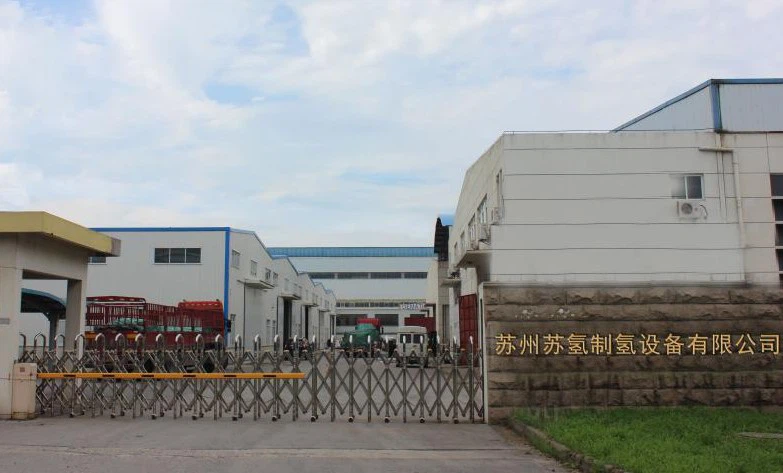
Our Factory
Products are sold in all regions of China and exported to countries around the world. They have been sold in more than 20 countries and regions including the United States, Germany, Morocco, Kenya, Saudi Arabia, Vietnam, Algeria, India, Tanzania, and Taiwan. Successfully provided well -known enterprises such as China Aerospace, PetroChina, China Nuclear Group, BYD, Jiuli Specialty, Tony Electronics, Zheng Energy Group and other well -known enterprises. There are many green hydrogen hydrogen hydrogenation stations such as Wulanchabu, Haikou, Hainan, Hainan Haikou, Yunnan Kunming, etc. provide green and hydrogen -making projects.
FAQ
Q: What does a hydrogen dryer do?
Q: What is the process of hydrogen drying?
Q: How do you remove moisture from hydrogen?
Q: Which liquid is used to dry hydrogen gas?
Q: What does dry hydrogen mean?
Q: What is the difference between hydrogen and dry hydrogen?
Q: What is a hydrogen dryer in a thermal power plant?
Q: How do you make dry hydrogen gas?
Q: What temperature does hydrogen evaporate?
Q: How do you collect dry hydrogen gas?
Q: Can green hydrogen be produced from water?
Q: Why is hydrogen so hard to produce?
Q: How much does it cost to produce 1kg of green hydrogen?
Q: Is green hydrogen better than solar?
Q: What is the most efficient green hydrogen production?
Q: What is the cheapest way to produce green hydrogen?
Q: Is it easy to produce green hydrogen?
Q: What will green hydrogen replace?
Q: What are the challenges of green hydrogen?
Q: How do you extract green hydrogen from water?
We're well-known as one of the leading hydrogen drying equipment manufacturers and suppliers in China. Please feel free to wholesale high quality hydrogen drying equipment from our factory. For customized service, contact us now.
Green Hydrogen Generation, Green Hydrogen Making Plant, Hydrogen Peroxide Water Treatment System