


Why Choose Us
One-stop service
We promise to provide you with the fastest reply, the best price, the best quality, and the most complete after-sales service.
Quality Assurance
We have a rigorous quality assurance process in place to ensure that all our services meet the highest standards of quality. Our team of quality analysts checks each project thoroughly before it is delivered to the client.
State-of-the-art Technology
We use the latest technology and tools to deliver high quality services. Our team is well-versed in the latest trends and advancements in technology and uses them to provide the best results.
Competitive Pricing
We offer competitive pricing for our services without compromising on quality. Our prices are transparent, and we do not believe in hidden charges or fees.
Customer Satisfaction
We are committed to delivering high quality services that exceed our clients' expectations. We strive to ensure that our clients are satisfied with our services and work closely with them to ensure their needs are met.
Customer Service
We earn your respect by delivering on time and on budget. We built our reputation on exceptional customer service. Discover the difference it makes.
The process – known as electrolysis – uses a direct current between two electrodes immersed in an electrolyte to split water into hydrogen and oxygen. Hydrogen is formed at the cathode, or negative electrode, and oxygen at the positive electrode, or anode.

Hydrogen Production Using Sea Water Electrolysis
Our Hydrogen Production Using Seawater Electrolysis system harnesses the abundant resource of seawater to produce high-purity hydrogen gas through the process of electrolysis. By utilizing seawater as the electrolyte, our system efficiently splits water molecules into hydrogen and oxygen gases when an electric current is passed through it.

Our Hydrogen Fuel from Seawater technology harnesses the abundant resource of seawater to produce clean and sustainable hydrogen fuel. Through an innovative process of electrolysis, we extract hydrogen gas from seawater, offering a renewable and environmentally friendly alternative to traditional fossil fuels.

Hydrogen Production From Sea Water
Our Hydrogen Production from Seawater technology harnesses the vast potential of seawater to produce clean and sustainable hydrogen fuel. Through an advanced process of electrolysis, we extract hydrogen gas from seawater, offering a renewable and environmentally friendly alternative to traditional fossil fuels.

Desalination Hydrogen Production
Our desalination hydrogen production system utilizes advanced electrolysis technology to extract hydrogen from seawater while simultaneously desalinating the water. This innovative system offers a sustainable and efficient method for producing high-purity hydrogen, addressing the growing global demand for clean energy sources.

Electrolysis Of Seawater To Produce Hydrogen
Seawater hydrogen generation is an innovative and sustainable method of producing hydrogen gas from seawater. This process utilizes advanced electrolysis technology to split water molecules into hydrogen and oxygen, with seawater as the source of water.

Our innovative hydrogen production system utilizes state-of-the-art technology to extract hydrogen gas from seawater. With a focus on sustainability and efficiency, our system provides a reliable and eco-friendly solution for clean energy production.

Producing Hydrogen From Sea Water
Sea Water Hydrogen Production Equipment is a cutting-edge system designed for the generation of hydrogen gas from seawater through electrolysis, offering a sustainable and environmentally friendly source of hydrogen for various industrial applications.

Our innovative Industry Sea Water Hydrogen System is at the forefront of clean energy technology, extracting high-purity hydrogen gas from seawater through advanced electrolysis processes. With a focus on sustainability and efficiency, our system offers a reliable and eco-friendly solution for clean hydrogen production in various industries.

Seawater Hydrogen Generation Equipment is a specialized system designed for the production of hydrogen gas from seawater through electrolysis, offering a sustainable and renewable source of hydrogen for various industrial applications.
Clean hydrogen fuel is easier to produce from seawater with stable hierarchical electrocatalysts
Seawater, which comprises more than 95% of the Earth's water, could become a key resource in the sustainable production of clean hydrogen fuel with use of water-splitting catalysts developed by a KAUST-led team.
Water splitting could offer an appealing way to carbon neutrality, especially when coupled with renewable energy sources such as solar and wind power. Water splitting involves the breakdown of water in an electrochemical cell to produce hydrogen at the cathode while generating oxygen at the anode under applied voltage. Yet, hydrogen and oxygen evolution catalysts that perform well in fresh water become less effective in seawater because of abundant ions that can promote unwanted reactions and poison catalysts.
Highly corrosive chloride ions present in seawater undergo complex reactions that compete with oxygen evolution and generate harmful compounds, such as hypochlorite. Because hydrogen production hinges on stable and efficient reactions at both electrodes, these ions are a major challenge for seawater splitting.
Chemistexplains that hypochlorite formation can occur because it demands a lower operational voltage to meet industrial needs than the oxygen evolution reaction.
One way to tackle this issue is to design selective anode catalysts with lower voltage requirements. A nickel–iridium monolayered anode catalyst showed enhanced performance and stability in seawater thanks to synergistic effects between its metal components.
Team devised an approach that provides high-efficiency and stable hydrogen evolution electrocatalysts for seawater splitting. The researchers created tiny cubic reactors, in which the catalyst was encased in a molybdenum sulfide protective shell. The catalyst core consisted of a carbon-supported molybdenum-based redox active compound and featured a zeolite-like ordered nanoporous structure.
Using a metal organic framework-based approach, the researchers combined metal complex precursors with the linker imidazole in the presence of surfactant to generate zeolite-like zinc–molybdenum cubes. They mixed the resulting structures with thioacetamide in ethanol under reflux to form a cubic molybdenum oxide phase confined in a thin zinc sulfide shell.
Next, they chemically converted the cubic phase into the desired molybdenum sulfide-encapsulated redox active compound at high temperature before selectively etching the zinc sulfide outer layer to yield the nanoreactors.
The nanoreactors exhibited high electrocatalytic activity and stability in both fresh water and seawater. "The remarkable activity and stability are attributed to their unique structure."
The core displayed numerous active sites that boosted hydrogen production and the shell presented several defects within its layers, especially subnanometer-sized holes that allowed water molecules to permeate and access the internal active sites.
Acting as a chainmail, the shell also blocked and prevented salts from depositing on the active sites.
The hierarchical architecture of the nanoreactor isolates the electrolysis from side reactions. "Similar to a smart house, the main reaction occurs in the rooms while side reactions happen in the backyard."
Revolutionary invention transforms seawater into hydrogen fuel
Believe it or not, seawater makes an excellent base for fuel. That's because seawater contains a cocktail of elements like hydrogen, oxygen, sodium, and others, all of which are essential for life on Earth to thrive. The fuel part here comes from the hydrogen found in seawater. Unfortunately, pulling the hydrogen gas from the rest of the elements has been quite a challenge, at least until now.
The device makes what equates to seawater fuel by injecting seawater into a funnel system that drives it through a double-membrane filtration system. This system also uses electricity to successfully pull the hydrogen from the seawater, effectively separating it from the other elements found in our oceans. The results of this new study show that it could help advance new efforts to produce low-carbon fuels.
The big win here was that the system didn't create a bunch of harmful byproducts, which is something they've seen in other systems. Most of the current water-to-hydrogen systems use a single-layer membrane. However, this time the researchers brought two layers together, and it showed a better way to control the way that ions in seawater moved within the experiment, which made it more effective.
Being able to create hydrogen fuel using seawater would prove useful because it is a low-carbon fuel, which is currently used to run fuel-cell electric vehicles, and even works as a long-duration storage option for energy grids. Previous attempts to make hydrogen gas require fresh or desalinated water, and while we've seen successful water desalination systems, it's much more expensive and energy intensive.
That's because purifying the water before you use it requires expensive systems, as well as energy and even added complexity to the device, whereas a device that can use seawater to create hydrogen fuel wouldn't require those extra parts.
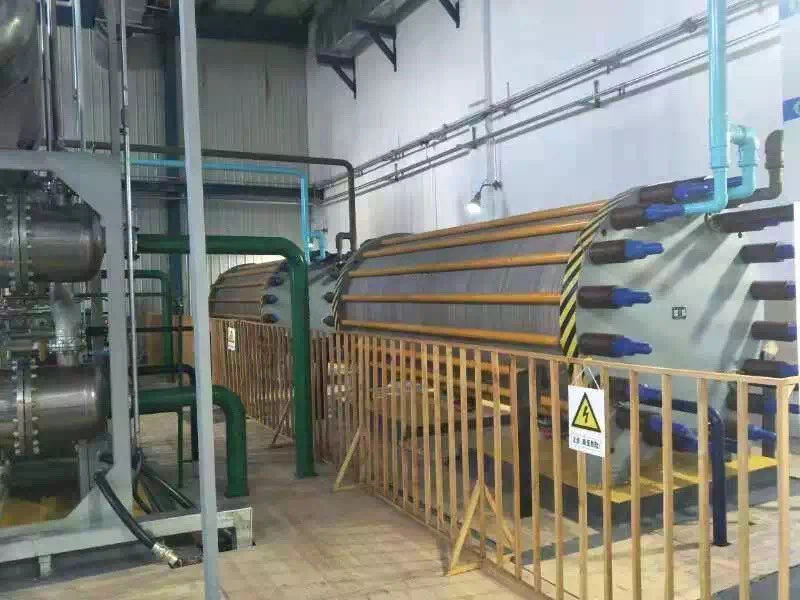
As renewable electricity costs continue to fall, green hydrogen (H2) production via water electrolysis is gaining pace as a means to decarbonize worldwide energy systems. Due to the necessity of ultrapure fresh water for electrolysis and the extensive availability of salt water, significant research efforts have been dedicated to developing direct salt water electrolysis technologies for mass production of green H2. This article will look at the possibility of producing green hydrogen from salt water, a challenging move that could help accelerate sustainability.
Green Hydrogen and its Impact on Fresh Water Sources
Green hydrogen is a sustainable energy carrier, which can be produced directly by water electrolysis, potentially substituting fossil fuels to attain carbon neutrality. Renewable energy is used to produce hydrogen from water. Hence its production is free from greenhouse gases and carbon capture technology.
The energy stored in 1 kg of green hydrogen is almost 2.5 times more than in natural gas. Since the 19th century, this gas has been employed in vehicles, airships, and spacecraft fuel cells.
In the near future, green hydrogen will replace fossil fuels to provide energy for almost everything, from cars to buildings. However, producing global hydrogen could strain freshwater sources for drinking and use in numerous industrial processes.
Due to its large reserves, the electrolysis of salt water to produce green H2 by renewable electricity is now considered a promising contender for sustainable energy.
Corrosion of Electrodes
Effective water separation relies on catalytic electrodes, necessitating pure water under fundamental conditions to prevent deterioration. Ocean water contains organics and dissolved salts such as sodium chloride that shorten the system's useful life by corroding typical catalysts.
Industrial manufacturing of green hydrogen fuel via salt water electrolysis has been hampered by expensive desalination and purifying technologies to provide significant quantities of clean deionized water for efficient electrolysis.
Despite the abundance of sea water, it is not commonly used for water splitting. Unless the water is desalinated prior to entering the electrolyzer - an expensive extra step - the chloride ions in sea water turn into toxic chlorine gas, which degrades the equipment and seeps into the environment.
To prevent this, the researchers inserted a thin, semipermeable membrane, originally developed for purifying water in the reverse osmosis (RO) treatment process. The RO membrane replaced the ion-exchange membrane commonly used in electrolyzers.
"The idea behind RO is that you put a really high pressure on the water and push it through the membrane and keep the chloride ions behind," Logan said.
In an electrolyzer, sea water would no longer be pushed through the RO membrane, but contained by it. A membrane is used to help separate the reactions that occur near two submerged electrodes - a positively charged anode and a negatively charged cathode - connected by an external power source. When the power is turned on, water molecules start splitting at the anode, releasing tiny hydrogen ions called protons and creating oxygen gas. The protons then pass through the membrane and combine with electrons at the cathode to form hydrogen gas.
With the RO membrane inserted, seawater is kept on the cathode side, and the chloride ions are too big to pass through the membrane and reach the anode, averting the production of chlorine gas.
Other salts are intentionally dissolved in the water to help make it conductive. The ion-exchange membrane, which filters ions by electrical charge, allows salt ions to pass through. The RO membrane does not.
"RO membranes inhibit salt motion, but the only way you generate current in a circuit is because charged ions in the water move between two electrodes."

Hydrogen production at sea: Innovation or risky venture
Producing hydrogen from seawater sounds like a dream come true!
It is abundant, free and easy.
Seawater comes as an almost limitless source of raw materials, and there's no one here to invoice it. Anyone can get a bucket full of it for free.
Industry key players are bound to fall in love with the idea.
The process of extracting hydrogen is easy. Seawater contains a large amount of dissolved hydrogen gas. It takes a simple electrolysis to extract it – we even did that as teenagers in physics class!
Here is how it works
It is natural, storable and safe
Seawater is considered a renewable energy source that could help reduce our reliance on fossil energy. And the extraction process doesn't generate carbon emissions.
Hydrogen can be stored
Stored hydrogen can be used to generate electricity or power vehicles exactly when needed.
It makes up for the intermittence of other renewables – rainy or windless days. It is perfect for regions with access to large bodies of seawater but with few conventional energy resources.
It can help reduce global warming, ensure energy security and protect the environment.
Easy-peasy, really
The process is energy-intensive: Extracting hydrogen from seawater requires a high amount of energy, and the overall efficiency is quite low.
The production is expensive: Building the infrastructure requires a very high initial investment. Maintenance is also crucial, as the salt content of seawater can cause corrosion and other technical issues.
The locations are rare: These sites need to consider water depth and quality, as well as proximity to energy sources. Not all regions are suitable for hydrogen production from seawater!
And finally, it is not as safe as you would think!
The process frees chlorine gas.
This gas combines with other natural elements and forms dioxins that pollute water, contaminate fish and transfer to humans and larger animals that eat the fish.
Do you want some examples It combines with
Water => hydrochloric acid, acute toxic effect on all forms of life.
Hydrogen => hydrogen chloride gas, highly explosive compound
Acetylene, a gas that can be produced by some marine organisms such as bacteria and certain species of algae. It combines into dichloroethane, a highly explosive compound.
Ether, trace amounts in certain species of algae. It combines into chloroacetaldehyde, a highly toxic, carcinogenic compound.
Ammonia, commonly produced by marine organisms. It combines into chloramines, a highly toxic respiratory irritant.
A promising innovation with the potential to revolutionize the clean energy sector
Hydrogen production from seawater could make a drastic difference and help address global warming in a more sustainable way.
It also has the potential to reduce our dependence on fossil fuels and move towards a cleaner and more sustainable and affordable future.
These promises make it all too easy to overlook the many challenges and risks involved.
This is my plea to the economic & energy key players: Please let's take a deep breath, sit back and think about it for a moment.
Why Convert Seawater to Hydrogen Fuel
The researchers said in the press release that working with seawater would be a more economical option, as purifying water is expensive, energy-intensive, and adds complexity to devices. Furthermore, natural freshwater contains impurities that are problematic for modern technology, in addition to being a limited resource on the planet.
In addition to developing a seawater-to-hydrogen membrane system, the team noted that the study had provided a better overall understanding of how seawater ions move through membranes. This knowledge could be applied to other fields, such as producing oxygen gas.
Moreover, they said that the understanding of ion flow and conversion in the bipolar membrane system is essential for the effort to produce oxygen through electrolysis, and the team showed that the bipolar membrane could generate oxygen gas along with producing hydrogen in their experiment.
The team aims to improve the electrodes and membranes using more readily available and easily extracted materials. This enhancement in design could make scaling the electrolysis system to a size necessary for generating hydrogen for energy-intensive activities such as transportation much simpler.
Our Factory
Products are sold in all regions of China and exported to countries around the world. They have been sold in more than 20 countries and regions including the United States, Germany, Morocco, Kenya, Saudi Arabia, Vietnam, Algeria, India, Tanzania, and Taiwan. Successfully provided well -known enterprises such as China Aerospace, PetroChina, China Nuclear Group, BYD, Jiuli Specialty, Tony Electronics, Zheng Energy Group and other well -known enterprises. There are many green hydrogen hydrogen hydrogenation stations such as Wulanchabu, Haikou, Hainan, Hainan Haikou, Yunnan Kunming, etc. provide green and hydrogen -making projects.

FAQ
Q: How do you get hydrogen from seawater?
Q: Why is it important to make hydrogen from seawater instead of pure water?
Q: What is the cheapest way to make hydrogen?
Q: What is the cheapest way to produce hydrogen?
Q: Can hydrogen be found in seawater?
Q: Are there any potential side effects of consuming hydrogen-rich water?
Q: What are the latest advancements in hydrogen production?
Q: How does the production of hydrogen impact carbon dioxide levels?
Q: How reliable is the scientific literature on hydrogen water?
Q: Why is it important to make hydrogen from seawater instead of pure water?
Q: What is the cleanest way to produce hydrogen?
Q: Can sea water be used for hydrogen?
Q: Can we get limitless green hydrogen by splitting seawater?
Q: What is the most efficient source of hydrogen?
Q: What is the most efficient way to get hydrogen from water?
Q: How do you make hydrogen straight from seawater?
Q: How do you turn seawater into hydrogen fuel?
Q: What is the cheapest way to produce hydrogen?
Q: What are the limitations of seawater electrolysis?
Q: How much water does it take to make 1 kg of hydrogen?
Producing hydrogen through the process of electrolysis theoretically requires 9 L of water per kg of hydrogen based on the stoichiometric values. [11]. However, most commercial electrolysis units on the market today advertise that they require between 10 and 11 L of deionized water per kg of hydrogen produced.
Hot Tags: hydrogen production from sea water, China hydrogen production from sea water manufacturers, suppliers, factory, Hydrogen Peroxide Injection Water Treatment, Peroxide Water Treatment System, Containerized Hydrogen Production Equipment, Large Scale Hydrogen Electrolysis, Hydrogen Alternative Energy, Containerized Hydrogen Processing Unit